
Done is better than perfect. Careless is not done.
Perfection can paralyse. Carelessness can waste just as much. Iteration works when each version is clear enough, cared for enough, and real enough to teach you something. Continue reading
Records, useful links, projects and small observations from the messy middle between products, workflows, tools and internet culture.
Perfection can paralyse. Carelessness can waste just as much. Iteration works when each version is clear enough, cared for enough, and real enough to teach you something. Continue reading
A restaurant menu is not just a list of dishes. It is an interface, a promise, and often a very accurate diagnosis of how clearly a business knows what it is doing. Continue reading
 DesEngs/ Beautiful stash of resources for design engineers.desengs.com
 Photopea/ Basically Photoshop in the browser.photopea.com
 ProjectBored Hoard
A lockdown-born internet discovery project for cool, useful, strange or completely unnecessary websites.
 ToolFrom Vibes to Process
Turn a recurring work mess into a one-page process brief people can actually use.
 ToolStart With a Frame
Describe the mess. Get a useful framework to start making sense of it.
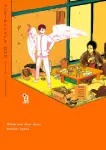
Two broken people carrying different kinds of weight, sharing a room for just long enough to make life a little more bearable. Deceptively simple, beautifully drawn, and full of metaphors I’m still unpacking after finishing it.
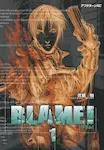
An endless walk through impossible architecture, where everything left behind feels like it ceases to exist. Cryptic, desolate, and increasingly beautiful. I understood less than I probably should have, but felt far more than I expected.

A Marxist critique disguised as a manga about making manga. The real downfall is not failure, but learning how to succeed as an alienated cog in the machine.

A beautifully drawn historical melodrama with enough mystery, politics and family secrets to keep it moving. The real fun is watching fiction weave itself around Soviet history — even if it ends just when I was ready for another 300 pages.
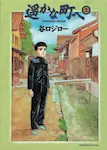
The classic question — what would you do if you could go back? — handled with Taniguchi's usual emotional precision and weaponised nostalgia.
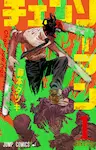
A 200mph existential chainsaw accident: masterpiece-level chaos in Part 1, then thematically rich but narratively exhausting fraudulence in Part 2. Respectfully, what the hell.